
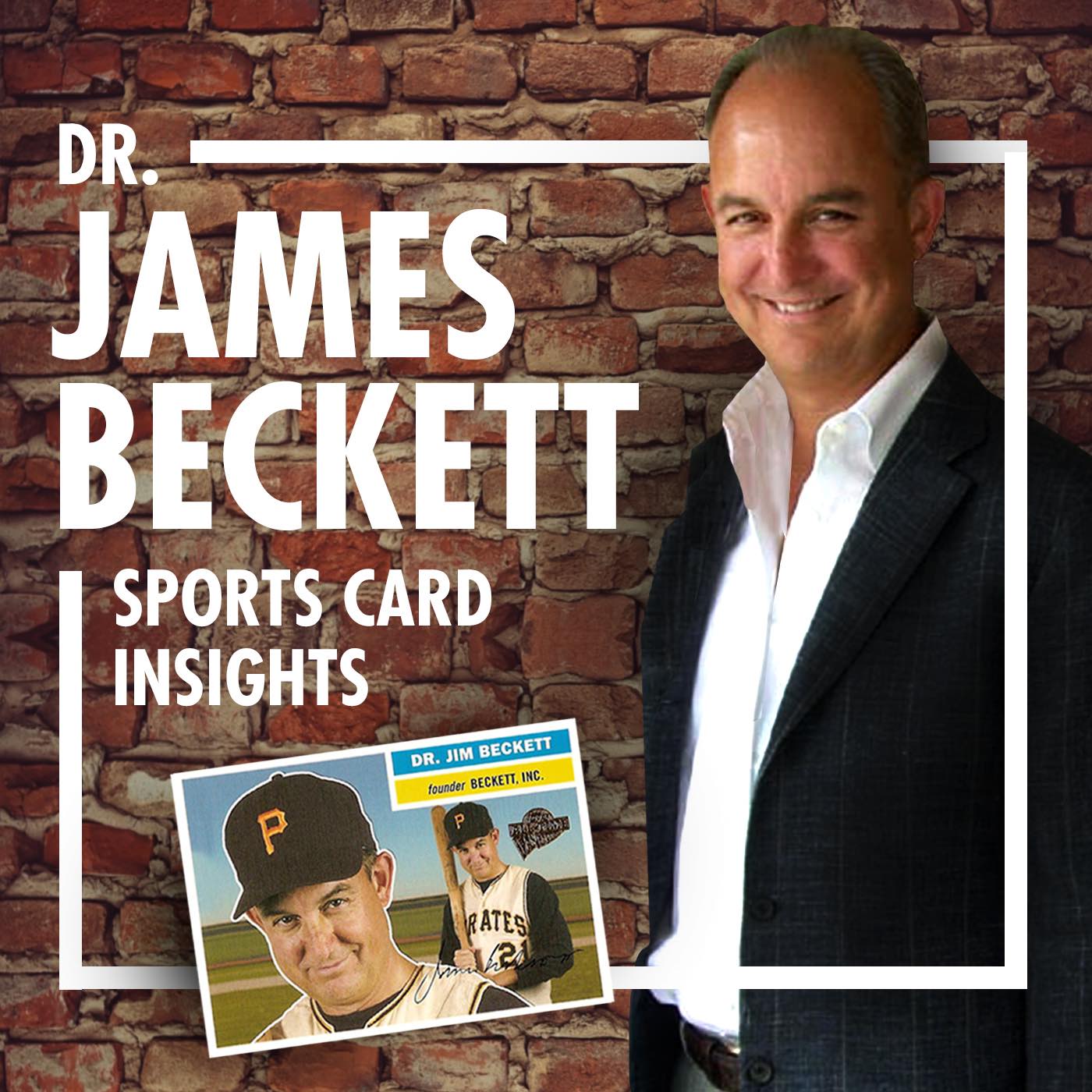
Dr. Beckett unretires to share sports card stories, analyses, and opinions, based on his six decades of intensive experience.
Episodes
26 minutes ago
26 minutes ago
20 min
Hobby Hotline analyzes the reported FedEx theft of 653 packages containing 6,451 cards to be shipped by PSA in Santa Ana, arguing it was a premeditated operation exploiting a routine “window of opportunity,” with the 90-minute gap and logistics suggesting a small, efficient crew and possible offsite theft. The discussion covers why only card lists (not grades) were shared, how cert deactivation and cracking slabs could allow criminals to resubmit to other graders in waves while sitting on ultra-rare “tell” cards, and why small packages can hold major value. It also examines compensation challenges driven by under-declared insured values, PSA upcharges, collector insurance, and reputational risk for PSA and especially FedEx, plus shipping-security tradeoffs like air vs. ground.
01:16 How the Crew Pulled It Off
01:57 Security Fears in Grading
03:31 Pallet Mystery and Logistics
06:42 Criminal Endgame and Fencing
10:09 Fake Trucks and Timing
11:26 Compensation and Declared Value
15:05 Insurance Claims and Coverage
17:59 FedEx Reputation and Liability
4 days ago
4 days ago
16 min
Dr. Beckett responds to recent hobby discussions, explaining why hobby and retail products became differentiated in the 1980s, noting dealer pushback, retail’s cheaper configurations, and how value depends on price and odds. He critiques the idea of being “CEO of your collection,” preferring the collector-as-general-manager analogy for buying, selling, and timing value. He supports focusing on eye appeal alongside technical grading and offers a card show strategy for displaying prized cards using high “asterisk” prices to invite conversation without needing to sell. He discusses reasons collectors sell and argues proceeds should stay within sports cards rather than other collectibles. Finally, he reframes the grading backlog as a chance to buy cards instead of grading, improve pre-grading skills, avoid unprofitable submissions, and anticipate faster, cheaper grading ahead.
00:49 Hobby vs Retail Origins
03:27 Be the GM of Collection
05:26 Eye Appeal vs Grading
08:23 Card Show Pricing Strategy
10:10 Selling Cards and Reinvesting
12:40 Grading Bottleneck Silver Linings
6 days ago
6 days ago
16 min
Dr. Beckett explains how the statistical idea of independent vs. dependent trials applies to card packs, boxes, and cases, arguing that odds can change once you have partial information because of seeding, sequencing, and safeguards that help deliver promised hits. Using Upper Deck 2025-26 Ice (one pack per box with eight extra-thick cards) and 2026 Metal Universe SC Multisport (15 packs, PMG chase, and “three numbered or unannounced cards per hobby box”) as examples, he discusses how deterministic and random insertion can blend, why case breaks offer more assurance than loose boxes, and why buying loose packs can be risky if a big hit was already pulled. He compares this shifting-odds dynamic to blackjack and urges collectors to use context and judgment when buying and opening.
01:06 Packs Aren't Equal
01:43 Seeding and Odds
05:30 Upper Deck Ice Review
06:01 Thick Cards Storage
08:37 Metal Universe PMGs
11:16 Box vs Case Strategy
12:50 Loose Packs Ethics
Oct 19, 2026
Oct 19, 2026
12 min
Dr. Beckett uses fishing analogies to describe sports card collecting, from “whales” (big spenders and big-impact cards) to “sharks” (aggressive buyers), “minnows” (dollar-box finds), and “salmon” (contrarian collecting by swimming upstream). He compares an LCS to a favorite fishing hole and a secret buying source to a honey hole, discusses shows as fishing expeditions, and likens auction tactics to bait, hooks, and getting skunked. Beckett covers keepers, catch-and-release culling, trophy cards, and notes that sushi is heavily scrutinized like grading. He relates buying collections to processing a whole fish, prefers naturally scarce vintage over contrived modern scarcity, and shares his “one that got away” story of selling a ’52 Topps Mantle for a Betamax.
00:22 Whales and Big Cards
01:54 Sharks and Minnows
02:42 Salmon and Contrarian Collecting
03:26 Crabs and Hobby Negativity
03:54 Fishing Holes and Card Shows
05:13 Bait Hooks and Getting Skunked
06:24 Keepers Trophies and Culling
07:29 Sushi Grading and Tuna Factory
09:30 Wild Scarcity and Personal Bests
10:21 The Ones That Got Away
Oct 16, 2026
Oct 16, 2026
20 min
Dr. Beckett joins 11-year-old twins Jaden and Jackson Cockayne in a simulcast Zoom interview between Bangkok and Dallas to talk about their love of collecting and what it’s like to find basketball cards in Thailand, where most product is soccer and Pokémon and prices are often higher. The twins share how they split cards, a memorable trade for an AJ Griffin patch auto, and their enthusiasm for through-the-mail autographs sent directly back to Bangkok. Beckett offers practical budget advice, including asking dealers for bargain-box cards and explaining their collecting story, and encourages learning other categories for trading. They also discuss avoiding collecting becoming an idol, staying balanced with school and life, visiting U.S. card shows every two summers, basketball goals, and Beckett’s alphabetical one-card-per-player display wall.
02:04 Collecting in Bangkok
04:26 Twin Collecting Rules
05:26 Player Stories and Walls
07:07 TTM Autographs Abroad
08:52 Budget Collecting Tips
10:50 Keeping Hobby in Balance
16:00 Inside Beckett Card Wall
17:43 Dreams and Career Plans
Oct 14, 2026
Oct 14, 2026
23 min
Dr. Beckett responds to YouTuber Boston Card Hunter’s 17 audience questions about PSA grading and adds 13 more, discussing the tension between transparency and competition, the unavoidable subjectivity in spotting defects, how work assignment and service levels may differ by grader experience and card type, and why submitter notes and autograph “proof” often don’t help. He addresses concerns about card swapping, whether pop reports or gem rates influence 10s (they shouldn’t), how complaints are handled, crossovers vs cracking, and why expensive cards may get extra scrutiny due to guarantees and reputational risk. Beckett explores grader focus on repetitive submissions, common pre-grading misses (surface/back issues), vintage vs modern tolerances, unwritten rules for manufacturing defects, the growing role of technology, internal recognition of resubmitted cards, second opinions, grader drift, and expected reproducibility rates when cracking and regrading large samples, concluding that eye appeal increasingly matters alongside technical grades.
00:24 Why PSA Transparency Matters
01:58 How Graders Get Assigned
03:11 Service Levels and Databases
04:08 Swaps Notes and Perfect 10s
06:24 Complaints Autographs and Crossovers
08:20 Repetition Fatigue and Pregrading
10:45 Vintage vs Modern Unwritten Rules
11:32 Crackouts and High Value Cards
12:38 Beckett's Extra Questions Begin
13:01 Tech Tracking and Second Opinions
15:44 Grader Disagreements and Calibration
17:49 Grader Notes and Reproducibility Tests
Oct 12, 2026
Oct 12, 2026
11 min
Dr. Beckett delivers a tribute to Mike Ditka, who passed away at age 86, reflecting on seeing him play for Pitt against West Virginia on Oct. 15, 1960 and remembering Ditka’s toughness, later Bears stardom, and cultural impact. He recounts Ditka redefining the tight end position, his Cowboys playing and coaching connections, and his eventual 1988 Hall of Fame induction. Beckett then discusses Ditka’s key collectibles, emphasizing the recognized rookie card: the 1962 Topps #17 black-bordered card, noting its condition difficulty and stressing ’62 Topps cards often grade lower than surrounding years. He contrasts this with other rookie-year issues like 1962 Post Cereal and Topps Bucks, cautions about price gaps versus second-year cards, and closes by affirming Ditka’s enduring fame and hobby significance.
01:13 1960 Pitt Game Memory
02:40 Mazeroski Moment
03:37 NFL Career and Impact
04:18 Cowboys Coach Energy
05:11 Rookie Card Spotlight
07:11 Other Issues and Rookie Debate
09:35 Wall Display and Enduring Fame
Oct 9, 2026
Oct 9, 2026
15 min
Dr. Beckett recaps episodes 1576–1599, highlighting key themes and guests, discussing card show dynamics, hobby career needs, and a wide-ranging conversation with Rich Klein covering topics like Pokémon’s longevity and GOAT/era debates. Beckett experiments with AI as a child-avatar perspective, shares Hobby Hotline outtakes, and offers “pushback” commentary including insights about newer collectors’ spending power. He features conversations with longtime hobby dealer B.A. Murry, explores grading company dilemmas and the spectrum of local card shops, and reflects on “small reveals,” collectors vs. players, bounties, and buying strategies. Additional episodes include Brian Pirrip's M1NT Case, Dr. Daniel Marangiello’s cardcareer.com, grail-card patience, and more Hobby Hotline outtakes.
01:21 Card Shows and Hobby Jobs
02:19 Pokemon and GOAT Debates
03:30 AI Experiment Kids Collecting
05:00 Collector Wealth and BA Murry
06:20 Grading Dilemmas and LCS Spectrum
07:44 Small Reveals and Breaks
08:46 Collectors Versus Players
09:44 Bounties and Buying Strategies
11:18 Entrepreneurs Cases and Careers
13:18 Grail Card Patience and Powder
Oct 7, 2026
Oct 7, 2026
20 min
Dr. Beckett, Adam, and Orlando discuss the private $3 million sale of the photo matched image used for the 1952 Topps Mickey Mantle card, a record for a non-signed image. They break down Type 1 photo definitions, why photos are authenticated rather than graded, how provenance and back markings affect value, and whether such a piece should be displayed given fading risk. Orlando shares an original José Méndez photo example and compares the Mantle sale to the 1951 Bowman Mantle image. The conversation shifts to the Upper Deck Griffey reaching 200,000 total graded copies, PSA 10 price growth, the psychology of submissions, pop reports, potential reprints, and concerns about being “addicted to grading,” including critiques of PSA’s holder quality for high-end photos.
00:53 Mantle Photo Sells for $3M
01:20 Type One Photo Basics
03:02 Orlando Shows Mendez Photo
04:32 Display and Preservation Debate
07:29 Hobby Expands to Tickets
10:34 Griffey Hits 200K Graded
11:22 PSA Holder Quality Critique
13:15 Griffey Prices and Grading Addiction
16:09 "Type Two" Griffey Print Run Rumors
17:39 Can PSA 10 Prices Keep Rising
18:16 Pop Reports and Future Supply
Oct 5, 2026
Oct 5, 2026
15 min
Dr. Beckett answers hockey collector Ken Capell’s question about whether to delay buying a personal “grail” card to instead keep cash available for buying collections to break up for profit. Beckett explains his long-time approach of maintaining “dry powder,” buying collections at strong wholesale margins (aiming to double his money), and using shows, especially Sunday afternoons, to find deals, while noting this strategy cost him some famous high-end items he underbid on. He advises that the decision depends on the item’s true scarcity and demand, warns against depleting cash or causing family strain, and emphasizes liquidity, reputation, and buying wholesale while selling retail. He also describes opening 2026 Upper Deck Team Canada Juniors and Artifacts products (thank you Upper Deck!), noting memorabilia authenticity, pack decoys, and enjoying inserts and color-based chasing.
00:19 Ken’s Grail Dilemma
01:39 Grail Versus Cash Flow
02:43 Buying Collections for Profit
03:16 Show Circuit Lessons
04:39 Negotiation and Dry Powder
08:42 Missing Big Grails
10:52 Modern Options and Consignment
12:58 Upper Deck Mail Day
13:59 Artifacts and Dollar Box Tips