
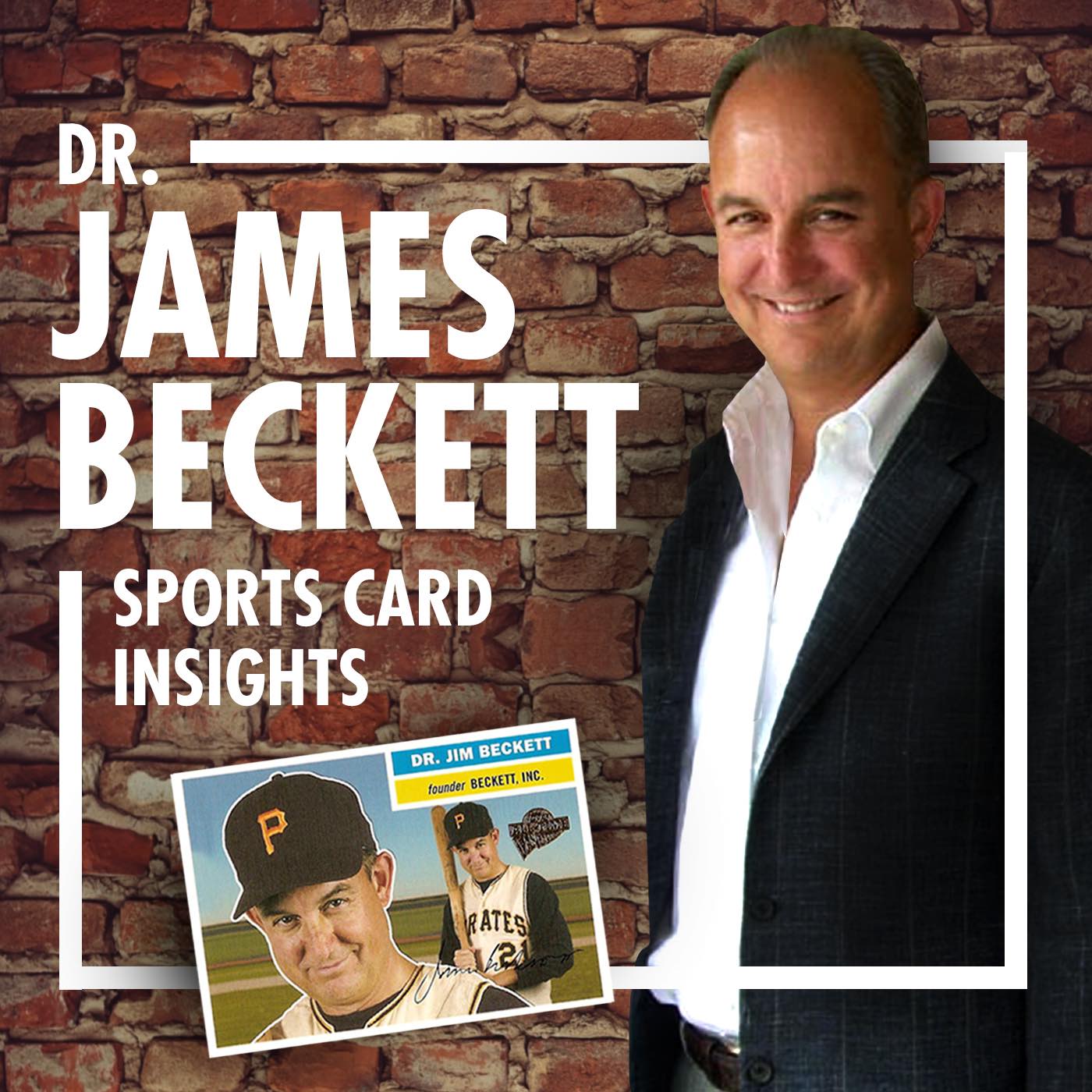
Dr. Beckett unretires to share sports card stories, analyses, and opinions, based on his six decades of intensive experience.
Episodes
Jul 29, 2026
Jul 29, 2026
14 min
Dr. Beckett discusses how job seekers can use the National as the best place to connect with most major hobby companies, compared with smaller shows, and urges “free agents” to present themselves as problem solvers with a clear, direct elevator pitch and a digital resume. He advises candidates to research the full hobby ecosystem (manufacturers, grading/authentication, auctions, platforms, content, comps, supplies, distributors, TCGs) and be transparent about potential conflicts of interest from buying/selling or live-streaming. Beckett encourages looking beyond obvious roles, not pushing leadership too early, and considering grading, especially TCGs and modern cards, as a growth path, including practicing to improve and retaking grading tests or starting in pre-grading. He emphasizes courteous booth outreach, targeted company lists, follow-up, and defining success as making connections and securing interviews.
00:21 Why the National Matters
01:22 Pitch Yourself Clearly
02:30 Conflicts and Side Hustles
03:42 Know the Hobby Ecosystem
04:54 Look Beyond Obvious Roles
05:51 TCGs as Career Growth
07:35 Grading Path and Practice
10:52 Working the Show Smart
Jul 27, 2026
Jul 27, 2026
14 min
Dr. Beckett discusses hiring in the sports card hobby after a young friend asked for help, focusing on what hobby companies actually need beyond job titles. He emphasizes identifying the business problem or growth opportunity first, separating teachable skills from foundational traits like work ethic and integrity, and valuing contributors who can grow rather than demanding a “finished product,” especially for non-senior roles. Beckett highlights the importance of hobby knowledge (including TCG/Pokémon), versatility for smaller companies, and broader job postings to cast a wider net. He outlines effective recruiting channels such as word of mouth, customers, vendors, family referrals, paid interns, and employee bounties, encourages promoting from within when possible, and prefers face-to-face hiring, often at the National, where companies can recruit strong long-term contributors.
01:48 Hire for Challenges/Opportunities
02:42 Teachable vs Traits
06:23 Versatility Wins
08:07 Where to Find Talent
09:43 Culture and Promotion
10:53 Interviewing at National
13:09 Make Great Offers
Jul 26, 2026
Jul 26, 2026
14 min
Dr. Beckett discusses the buzz around Keith Olbermann’s T206 “Restored Die-Cut Wagner” being sold via Love of the Game (auction closing August 8), explaining how the card was historically altered and later skillfully rebuilt using authentic card material, raising debate over restoration vs. deceptive alteration and how graders should categorize such pieces. He argues the sale could be an inflection point in hobby “rules,” with newer, wealthier collectors valuing eye appeal, story, and provenance over strict originality—similar to shifts seen with Star Jordan vs. Fleer and BGS 9.5 vs. PSA 10 preferences. Beckett predicts the Wagner could exceed $2 million, notes prediction markets like Polymarket/Kalshi and their potential influence, and frames the episode as a broader discussion about changing guardrails in collecting.
00:43 Auction Buzz and Pedigree
01:47 How the Wagner Was Restored
03:19 Alteration vs Restoration Rules
04:48 Restoration History and Conservators
05:40 Why Restorers Stay Anonymous
07:04 The Wagner Club and New Money
08:35 Eye Appeal Changes Hobby Rules
11:19 Prediction Markets and Price Calls
Jul 24, 2026
Jul 24, 2026
24 min
Dr. Beckett interviews David from Card Boredom about his 24-page deep-dive research (free at Cardboredom.com) on 1949 Leaf Baseball, focusing on 28 true graphic-stage variations clearly caused by a plate change rather than printing defects. They discuss why price guides and grading companies have been slow to update nomenclature or fully recognize the variations, including the ripple effects of changing the long-accepted “1948 Leaf” date and resulting rookie-card implications. Beckett argues the 1948 copyrights suggest 1948 artwork even if the set was not commercially available until spring 1949, and recommends a “48-49 Leaf” compromise.
02:00 Why Guides Resist Change
02:57 Real Variation Types
04:59 Copyright Date Debate
06:38 Plate Damage Theory
07:50 David's Research Motivation
10:12 Data and Sampling Limits
16:11 Naming and Rookie Fallout
20:36 Raw Cards Hidden Supply
Jul 22, 2026
Jul 22, 2026
17 min
Dr. Beckett recaps the biggest non-National show weekend in hobby history, with three major events running simultaneously—Fanatics Fest, the Dallas Card Show, and the West Coast Card Show, without the cannibalization some feared. He argues there’s enough cards, dealers, money, and interest to support all three and says the combined attendance may be unprecedented outside the National. Beckett shares observations from Dallas, including venue strengths and constraints (space, fire marshal limits, congested aisles, weak cell service), promoter Kyle’s challenges with growth and dealer management, and the value of adding fresh dealers. He details his own high-volume dollar-box buying approach, reviewing purchases afterward to refine what to target, and comments on media credentials, integrity for content creators, and how these events signal a robust hobby heading into the National.
00:25 Three Mega Shows
02:42 Dallas Show Limits
04:11 Improving Without Growing
06:10 Navigating Huge Floors
10:25 Reviewing The Haul
12:43 Show Logistics And Cash
13:47 Media Pass Ethics
Jul 20, 2026
Jul 20, 2026
16 min
Dr. Beckett and this week's Hobby Hotline crew (Adam Palmer and Tony TJ is Online) discuss news that Michael Jordan has extended his exclusive legacy partnership with Upper Deck, including Goodwin Champions redemptions for signed 1986 Fleer basketball wax packs and an eBay-auctioned 1-of-1 signed 1986 Fleer box with 10% of proceeds going to the Boys and Girls Clubs Foundation. They debate opening versus keeping the packs sealed, note old pack “searchability,” and compare the concept to Topps’ Mickey Mantle nostalgia redemption. They also cover Topps/Fanatics testing pre-ordered Topps Chrome Update mega boxes sold without shrink wrap, focusing on tamper concerns, scams, pricing, and whether it helps collectors buy at retail. The episode closes with thoughts on the collector tension between buying singles and unopened product and why boxes must be opened for singles to exist.
01:07 Jordan and Upper Deck Deal
01:18 Signed Fleer Pack Redemptions
03:07 Open or Keep Sealed
04:27 Nostalgia Redemption Trend
05:33 Why Partner Matters
08:24 Jordan Market Heat
09:44 Topps No Shrink Wrap Test
11:41 Tampering and Trust Issues
12:50 Pricing and Scalper Impact
15:25 Singles Versus Sealed Debate
Jul 17, 2026
Jul 17, 2026
16 min
Dr. Beckett compares going to Disney World with attending The National sports card show, drawing on trips to Disneyland and Disney World from the 1960s to the 1990s and his long history of attending The National, including taking his family in 1990. With an extended-family Disney World trip planned for early next year, he discusses shared challenges like long days on your feet, routing, and dislike of lines, and contrasts how Disney is typically more expensive while The National involves spending on items with tradeable value. He notes differences in solitude, age-appropriate activities, and family logistics, and suggests The National could learn from Disney’s crowd flow, cleanliness, signage, and food options. He concludes neither is “better,” emphasizing being fully present wherever you are and encouraging people to attend both if possible.
00:23 Disney vs The National
01:40 Trips and Family Plans
02:25 Lines and Fast Passes
03:57 Cost Comparison
04:43 All In on the Destination
06:49 Routing and Park Strategy
08:17 Social Dynamics and Community
10:50 Free Agent vs Family Focus
11:43 Physical Demands and Gear
12:58 What Shows Can Learn
14:28 Be Present and Enjoy
Jul 15, 2026
Jul 15, 2026
15 min
Dr. Beckett rambles and discusses how grading companies like PSA and BGS can make occasional labeling mistakes, noting the scale issue when volumes are high, and compares it to an Amazon shipping error that benefited him, suggesting AI checks could reduce such problems. He reflects on dynamic pricing and “surveillance” or predictive pricing, the value of curiosity over a know-it-all approach when negotiating, and his preference for buying seen cards over packs, including thoughts on repacks, branding, and Fanatics removing outer box wrap to deter reselling. He also reads an educator’s email about using basketball cards to teach life skills and honors his parents’ legacy founding Cornerstone Crossroads Academy.
00:30 Facebook Marketplace Card Lot
03:32 Grading Mistakes and PSA
04:44 Amazon AirTags Mixup
05:52 AI Checks and Pricing
09:09 Buying Seen vs Unseen
10:02 Repack Boxes and Breaks
11:44 Education and Hobby Impact
Jul 13, 2026
Jul 13, 2026
17 min
Dr. Beckett discusses advice for a collector flying to this weekend's West Coast Burbank card show who wants to buy an expensive card and is considering bringing $30,000 in cash. He weighs show buying versus auctions, explains why cash is often preferred at shows, and reviews alternatives like wires, credit cards (often with a 3% fee), checks (requiring strong trust/vouching), and digital payments with limits. Beckett emphasizes security and discretion, planning ahead with the bank, understanding cash-withdrawal documentation over $10,000, and being prepared for airport screening. He recommends documenting any big deal (seller identity, card/grade details, photos) to reduce risk, warns about brokered transactions and a high-profile Tom Brady deal that went wrong, and concludes that cash can be reasonable for $30,000 if handled carefully.
01:16 Payment Options Overview
02:24 Cash Logistics and Risks
03:47 Trust and Verification
05:43 Show Deal Mechanics
06:51 Wires Cards and Checks
08:47 Getting Cash and Flying
11:54 Documentation and Safety Tips
13:33 Broker Deal Gone Wrong
15:25 Best Plan for 30K
Jul 10, 2026
Jul 10, 2026
22 min
Dr. Beckett and Darin Ostrom discuss how to get Darin’s deeply researched history of 1990s sports cards published when his YouTube viewership is limited and traditional publishers want authors with large followings. They explore obstacles like fragmented digital audiences, declining print publishing, lack of wholesale distribution, and the need for a clear “hook” that drives virality beyond an educational or nostalgia angle. Possible paths include self-publishing via Amazon with shorter serialized volumes, pre-ordering through card shops to reduce risk, and partnerships or sponsorships with companies like Collectors/Beckett Media, PSA/SMR, or Fanatics by fitting content into existing magazines as multi-part articles. They also note competition from free content and AI, and suggest stronger concepts like registries or “100 iconic ’90s cards” lists to motivate buyers.
00:27 YouTube Chapters to Book
01:36 Why Publishers Pass
03:53 Self Publishing Lessons
05:26 Digital Serialization Strategy
06:57 Preorders and Card Shop Marketing
09:32 Sponsors and Magazine Serialization
14:02 Competing With Free and AI
16:12 Finding the Viral Hook
19:05 Reframing for Collectors
20:14 Audience Spectrum and Examples