
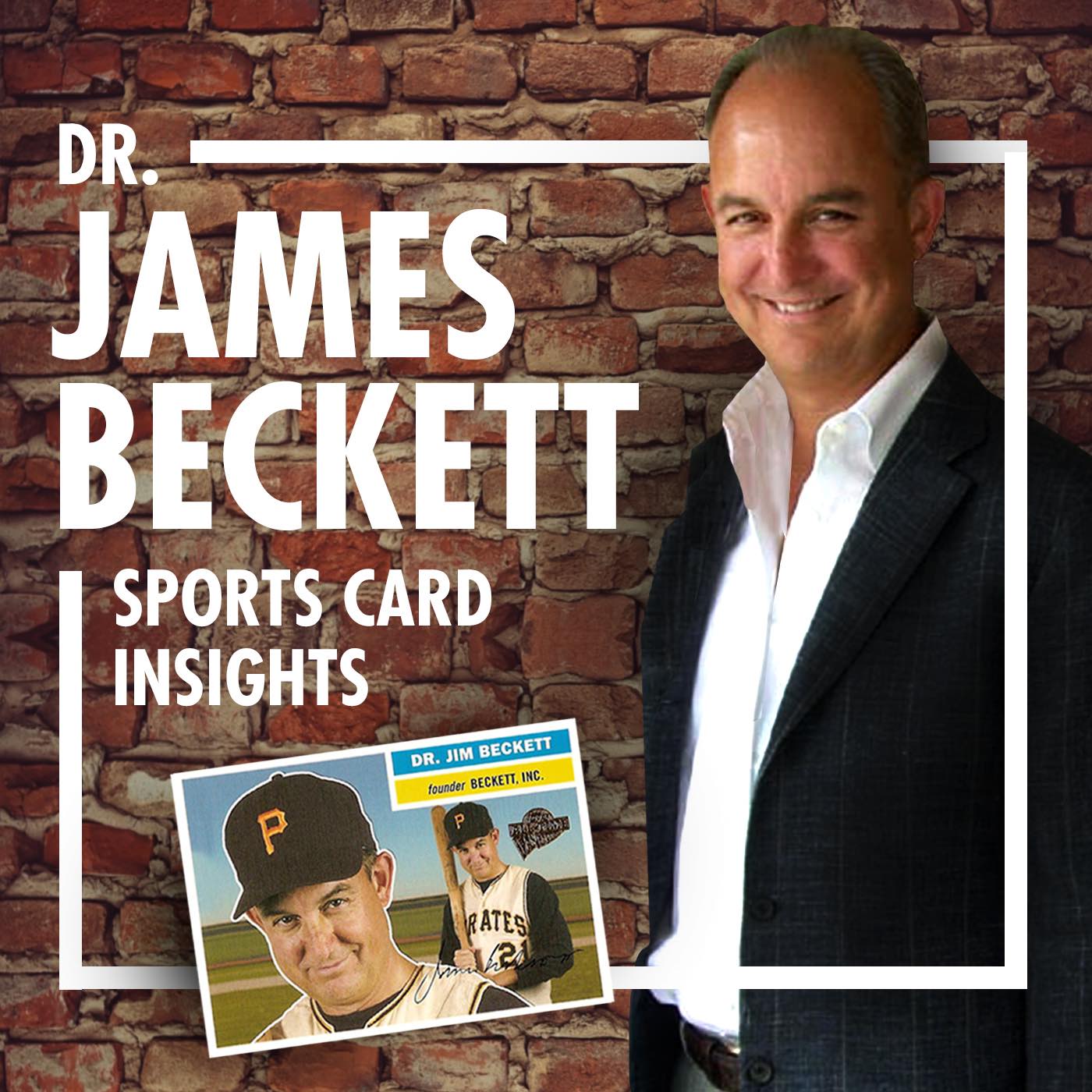
Dr. Beckett unretires to share sports card stories, analyses, and opinions, based on his six decades of intensive experience.
Episodes
3 days ago
3 days ago
20 min
Dr. Beckett discusses current grading company dilemmas, noting PSA and BGS pauses and SGC’s sharp basic-rate increase, and asks why PSA graded fewer cards in August despite attacking its backlog. He argues output varies with submission mix because higher-tier cards take longer and require greater scrutiny, and the true scarce resource is trained, credible grading judgment—not plastic, shipping, imaging, or even raw headcount. Beckett explains why double shifts risk burnout, why scaling slows production as senior graders train new hires, and why PSA’s $80 floor functions as demand control enabled by pricing power and resale premiums. He comments on CGC’s strength in TCG, TAG’s human-review bottlenecks despite tech, the limits of AI, the subjectivity of eye appeal metrics, the rise of pre-grading, changing perceptions of raw cards during pauses, and why PSA’s registry/pop report network effects are hard to match.
00:39 Why PSA Output Dropped
01:43 Training Limits Capacity
02:32 Burnout and Shift Myths
04:39 PSA Pricing Power Explained
07:40 BGS Pause and Standards
09:00 SGC Price Hike Strategy
11:21 TAG Tech and AI Limits
13:00 Eye Appeal and iAppeal Debate
17:02 New Grading Entrants Ahead
18:45 Pay and Industry Moats
5 days ago
5 days ago
19 min
Dr. Beckett welcomes longtime friend and former colleague B.A. Murry for a wide-ranging conversation covering their decades in the sports card hobby. They discuss Murry’s distinction as one of the “three amigos” who have set up at every National, Beckett’s attendance at every National, and memories of the earliest shows in Los Angeles and the original promoters. Murry recounts early mail-order buying from Sam Rosen/Card Collectors Company, inexpensive complete sets like 1948 Bowman and 1951 Topps Redbacks, ordering 1957 Topps as issued, and an early regret of giving away 1954 cards. They reflect on the shift from set-building and want lists to modern high-dollar “lottery” ripping, debate what counts as vintage, and share 1970s–80s hobby stories including St. Louis gatherings, auctions, and using the first annual guide.
00:41 National Show Regulars
01:12 Origins of the National
02:30 Mail Order Hobby Beginnings
05:41 Early Selling and Regrets
07:25 OG Perspective on Today
08:43 Want Lists and Set Building
09:32 Adult Hobby Takes Off
12:08 Collector Mindset and Roots
14:37 Buying Trips and Vintage Lines
17:52 Late Night Auctions Stories
7 days ago
7 days ago
19 min
Dr. Beckett returns with a “Pushback 2.0” episode responding to discussions from Jeremy Lee’s Sports Card Live, offering added context from his experience. He argues grading isn’t haphazard contrasting PSA’s whole-grade approach with BGS subgrades and pristine/black label concepts. He traces modern grading standards back to early-1970s word-based definitions he helped synthesize, noting evolving interpretations around issues like pinholes and qualifiers. Beckett addresses card manipulation and restoration, distinguishing minor cleaning from more severe practices like bathing to alter size and trimming. He also discusses risks for financially sophisticated but hobby-inexperienced “new money,” warns against overreliance on low population reports, defends a disciplined 401(k) borrowing example, and agrees modern prices and production are too high and could face correction.
00:58 Pushback on Grading
05:30 Origins of Standards
06:57 Pinholes and Damage
09:03 Card Doctoring Debate
12:01 New Money vs Veterans
14:24 Low Pop Misreads
15:57 401k Discipline Story
17:27 Prices and Overproduction
Aug 28, 2026
Aug 28, 2026
16 min
Dr. Beckett and Hobby Hotline co-hosts Rich Klein and John Newman enjoy an unscripted chat-driven discussion. They examine market “pumping,” focusing on rising Star Wars card prices ahead of the franchise’s 50th anniversary, and how first appearances and recognizable stars can drive a pecking order in value. The panel compares this to pricing dynamics like NFL quarterback contracts and debates voice-actor autographs. They discuss T206 set collecting, Wagner rarity, past sale prices, and why multiple Wagners hitting auction blocks can signal equilibrium or a potential market peak, referencing the 1980 surge in ’52 Topps Mantles. They also consider whether a Yordan Álvarez Triple Crown would move the hobby, and how modern baseball trends depress batting-average value.
00:46 Hobby Hype and Pumping
01:43 Star Wars Anniversary Buzz
03:53 First Appearances and Autographs
04:41 T206 Wagner Market Talk
05:54 Why More Wagners Appear
10:35 Yordan Alvarez Triple Crown
12:49 Modern Hitting and Moneyball
16:04 Pitching Changes and Metrics
Aug 26, 2026
Aug 26, 2026
21 min
Dr. Beckett hypothetically and creatively explores whether age seven is really the ideal time to start collecting sports cards, reflecting on how his own strongest collecting years were ages 10–12 despite getting a first card at seven in 1956. Using an artificial ChatGPT voice to simulate a conversation with his seven-year-old self, he discusses why kids like cards (pictures, familiar player names), what they understand about stats and prices, and how a child might choose quantity over “better” cards. They talk through card-show logistics, attention span, budgeting ($10 vs. $100), safety and fairness when selling or trading, preferences for shiny designs, and the importance of not pushing kids too hard while encouraging fun, care of cards, and trying the hobby together as a family activity.
01:47 Meet Seven Year Old Me
02:30 Recognizing Players
03:19 Stats and Value
04:31 Buying and Selling
06:26 Surviving Card Shows
08:08 Growing as Collector
09:10 Allowance and Budgeting
12:30 Picking Cards Your Way
13:52 Soccer and Shiny Designs
16:12 Trading and Peer Pressure
18:10 If You Quit Collecting
20:00 Family Hobby Philosophy
Aug 24, 2026
Aug 24, 2026
16 min
Dr. Beckett and Rich Klein discuss whether Pokémon has long-term staying power, arguing it has “legs” because its static characters avoid scandals, but questioning how nostalgia, generational cycles, and the lack of era-based debate like sports GOAT conversations affect TCG durability. They compare vintage appeal in older cards to modern Pokémon’s always-mint look, note Fanatics’ interest as a positive signal, and weigh what “long-term hold” means versus coins and stamps. Beckett shares stories about card-flipping contests and introduces ideas like O'GOAT and GOTE to reduce rancor in athlete comparisons. They apply “five types of wealth” (financial, knowledge/mental, time, physical, social) to the hobby, mention show scheduling conflicts, evaluate Alexis Ohanian’s NIL card business model with ONIT as challenging due to printing balance and demand, propose an all-Super Bowl-starters autograph concept, and touch on niche collecting like “goofy names” and players with few cards.
00:35 Pokemon Hype and Nostalgia
02:02 Long Term Hold Debate
03:52 Card Flipping Memories
04:36 GOAT Talk Across Eras
07:10 Wealth Types in the Hobby
10:30 Social Connections at Shows
11:39 Show Scheduling Frustrations
12:17 NIL Cards Business Mode
Aug 21, 2026
Aug 21, 2026
16 min
Dr. Beckett and Rich Klein discuss the need for a better way to connect employers and candidates in the sports card industry, weighing an Indeed-style job aggregator against the hobby’s historically successful word-of-mouth, relationship-based hiring. They reference openings like Beckett cataloging roles, internal postings at COMC, and CGC hiring graders and verification specialists with bonuses and benefits, while noting potential conflicts of interest such as employee submission programs at grading companies. They argue that strong culture, cross-training, and trusted references helped Beckett hire and promote passionate entry-level talent, but today growth in the hobby requires far more employees. They also note challenges recruiting when entrepreneurial collectors can earn more independently, and why benefits and steady pay matter as people age.
00:35 Need a Hobby Job Board
02:42 Hiring Entry Level Talent
04:13 Culture and Internal Growth
05:02 Aggregators and LinkedIn Limits
06:52 AI Pitfalls and Networking
08:42 Trustworthy Store Staffing
10:28 Big Company Hiring and Cross Training
11:10 Grading Jobs and Conflicts
12:27 Fanatics Warehouse Security
13:43 High Potential Hobby Hires
14:21 10X Hobby Needs Workers
14:44 Why Young Talent Won't Apply
15:51 Paychecks and Benefits Matter
Aug 19, 2026
Aug 19, 2026
16 min
Dr. Beckett and Rich Klein discuss the recent very crowded National convention and how the nearby Dallas Card Show better fits Rich's collecting lanes. They compare the Dallas show’s layout and focus with the more modern, Pokémon-heavy NTX show and talk about how show organizers fill extra tables. The conversation shifts to hobby media, with Dr. Beckett describing how he filters content creators by category and prefers clear episode topics. They also debate card-show and shop “truth in packaging,” wishing for simple category and percentage breakdowns (vintage, wax, bargain boxes, TCG). Rich argues local shops can survive without direct wax allocation if they diversify, while both describe the rise of destination card shops with distinct specialties and stronger digital presence, noting Fanatics has improved accessibility through affordable retail-style boxes.
01:02 Dallas Show Advantages
02:21 Following Hobby Content
04:25 NTX Show Vibes
05:34 TCG Overflow and Focus
06:30 Show Tech and Categories
07:34 Modern Card Shop Models
10:24 Local vs Destination Shops
14:47 Fanatics and Hobby Growth
Aug 17, 2026
Aug 17, 2026
11 min
Dr. Beckett records an episode after learning that pitcher Tommy John has passed away, honoring John’s unusual and inspiring career and arguing he deserves the Hall of Fame for his on-field accomplishments, not just the surgery that bears his name. Beckett cites John’s 26 seasons, 288 wins, 3.34 ERA, pitching effectively until age 46, four All-Star selections, and two second-place Cy Young finishes, comparing his candidacy to contemporaries Fergie Jenkins and Jim Kaat. He recounts John’s 1974 elbow ligament tear and Dr. Frank Jobe’s pioneering operation, noting John missed a season, then returned to pitch 14 more years and win more games after surgery than before, emphasizing the grueling rehab and the hope it gave later athletes. Beckett also discusses limited hobby impact despite John’s recognizability and rookie card details.
01:41 Hall of Fame Case
03:03 Tommy John Surgery Origins
03:58 Rehab And Comeback
06:12 Pitching Style And Value
07:14 Collector Market Impact
09:34 Legacy Of Hope
Aug 14, 2026
Aug 14, 2026
13 min
Dr. Beckett pays tribute to Don Nelson, reflecting on his NBA playing career with the Celtics (14 seasons, five championships) and his Hall of Fame coaching legacy built on innovation, experimentation, and position-less, mismatch-focused basketball. Beckett shares a personal story of playing 18 holes of golf with Nelson more than 20 years ago and discusses Nellie’s influence through concepts like the point forward, roster construction, and entertaining, high-scoring teams, connecting it to Dallas perspectives, the Mavericks’ current roster, and players such as Dirk Nowitzki, Steve Nash, Luka Doncic, and Cooper Flagg. He also offers hobby insights on Nelson’s cards, including his 1969–70 Topps “tall boy” rookie card, limited overall card demand, and the typical drop in interest for coaching-era cards versus playing-year issues.
00:30 Innovator Legacy
01:40 Golf With Nellie
02:12 Player Roots
02:59 Coaching Greatness
04:03 Hall Fame Context
05:36 Point Forward Ideas
08:32 Mavs Roster Echoes
10:32 Card Market Takeaways
12:21 Retirement Reflections